 English
  Español
 Currently Empty: $0.00


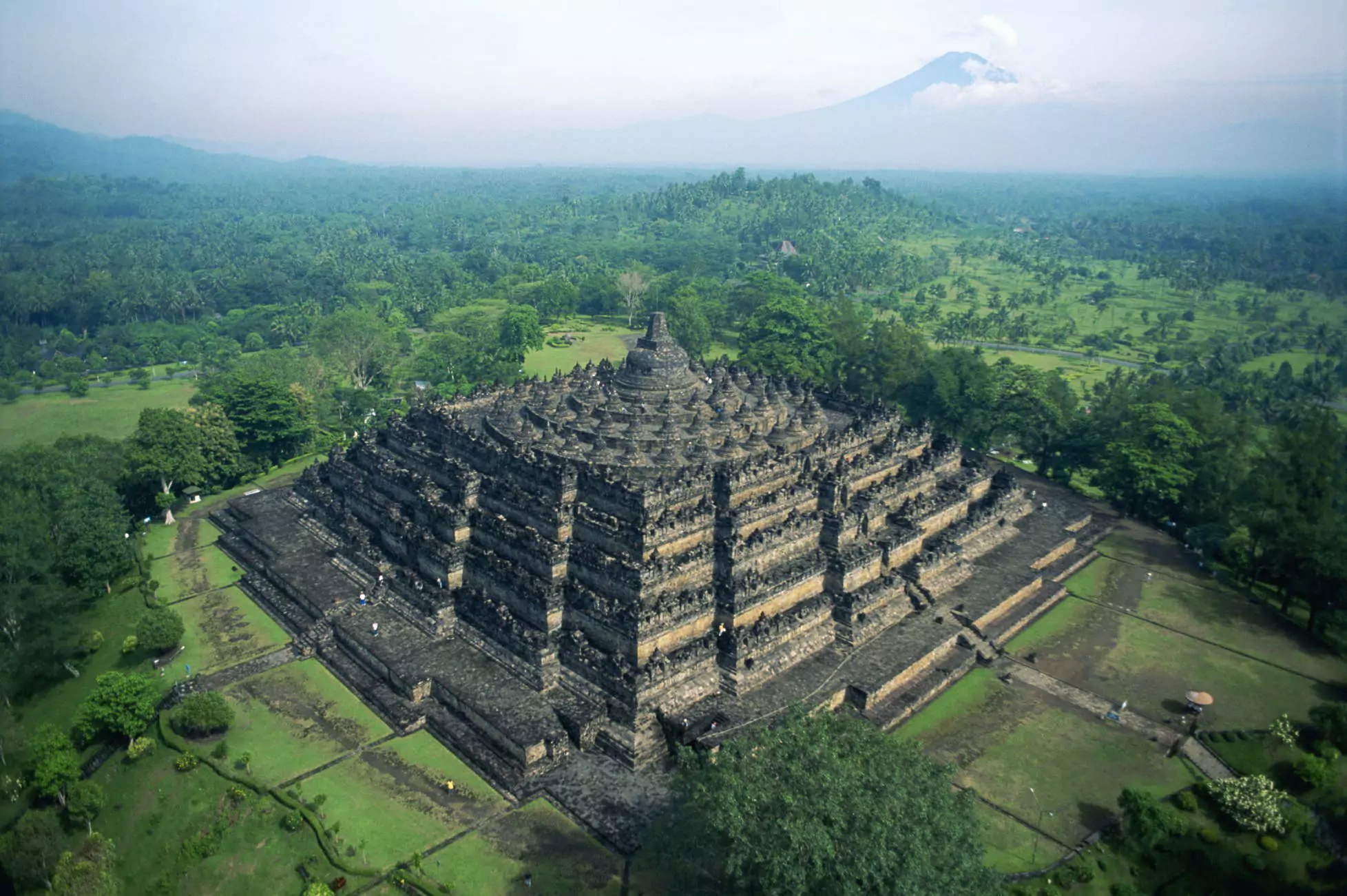
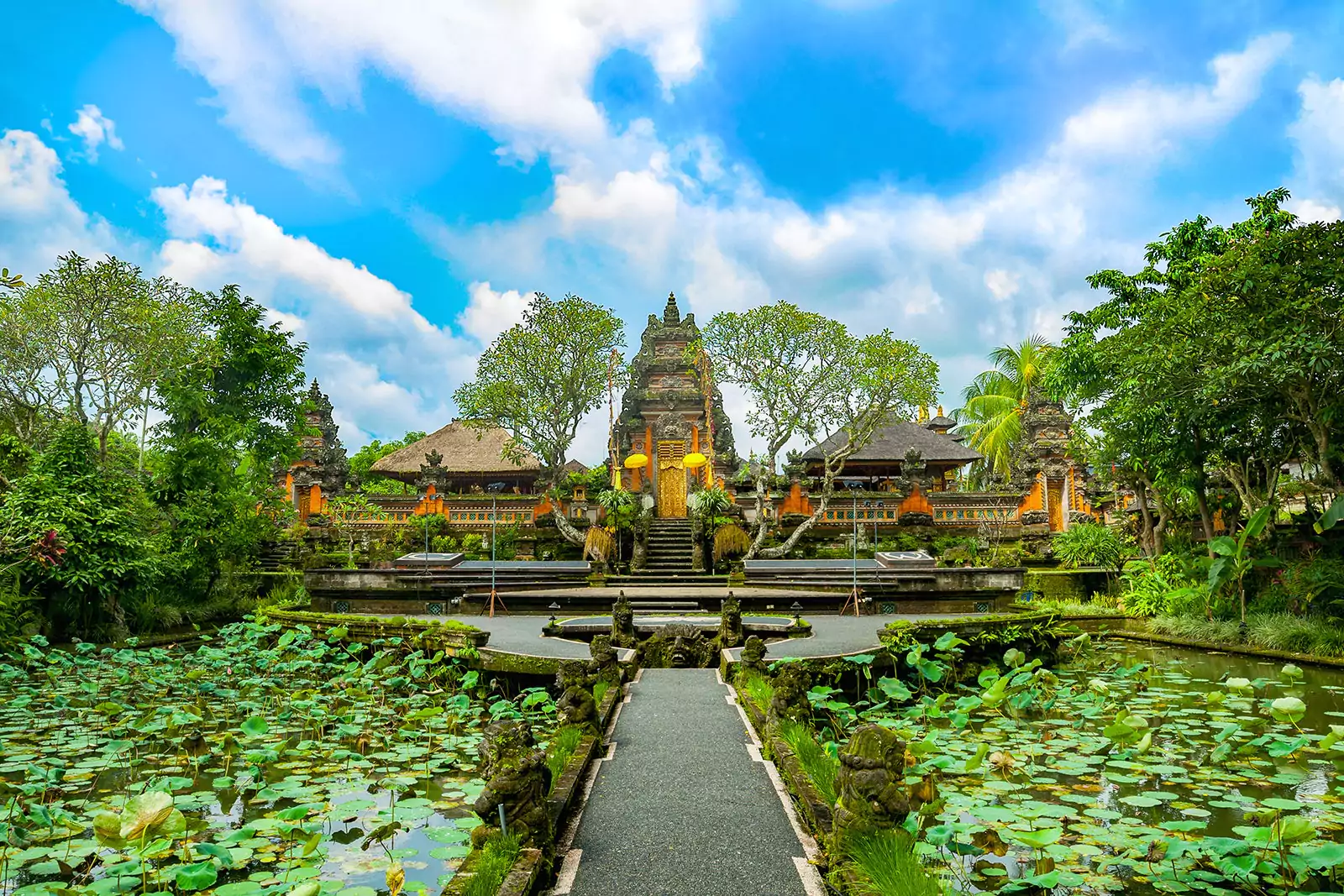
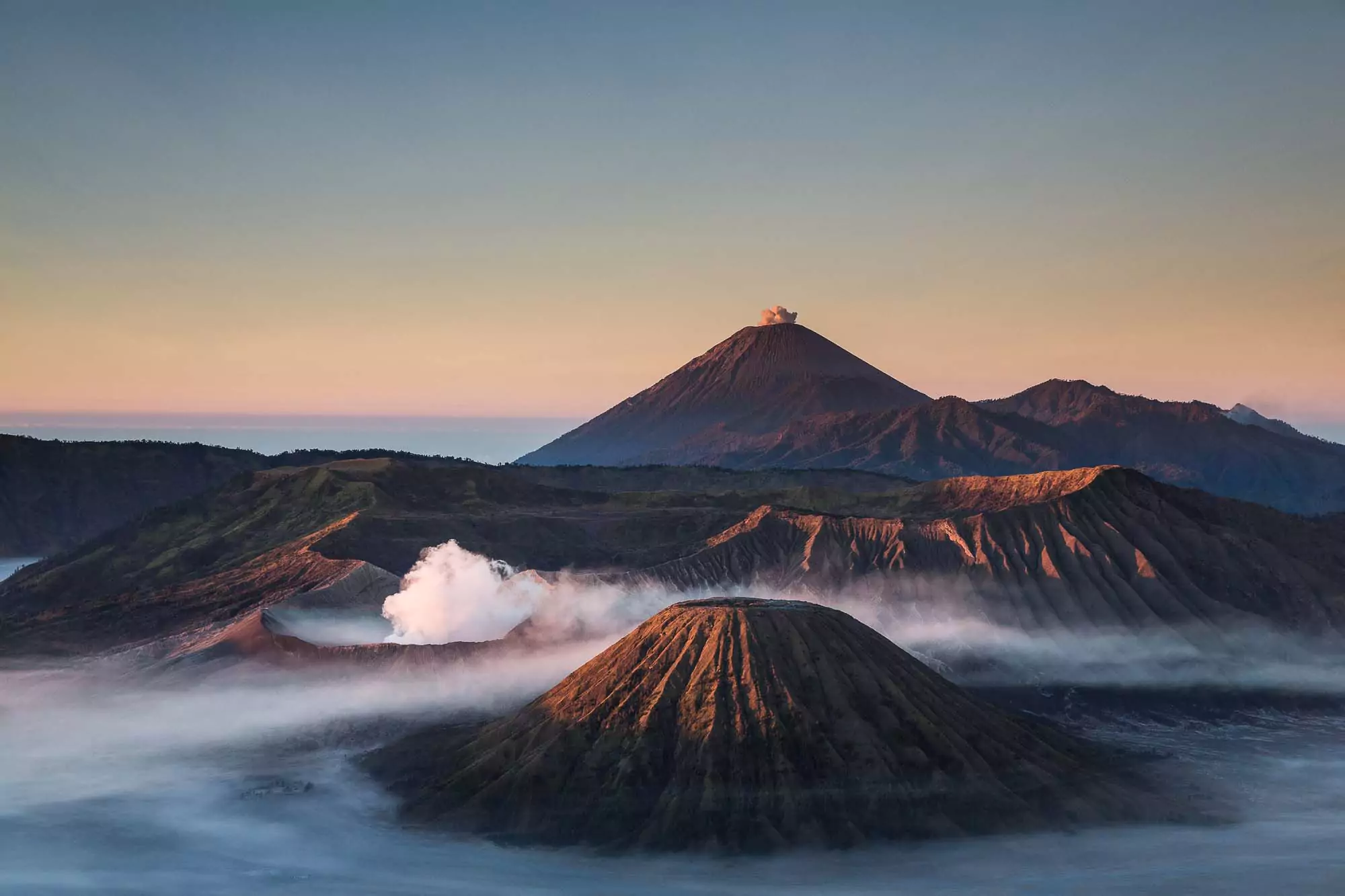



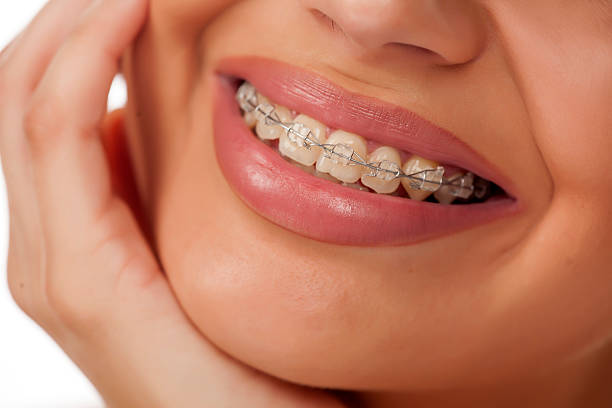



Our carefully screened partner dentists have received training in the United States and are often affiliated with the American Dental Association or accredited by major US accreditation bodies. You can explore World of Dentistry to find dentists who have been independently verified and have garnered outstanding reviews from patients who have had successful experiences

If you're facing steep dental costs in the USA, Canada, or Europe, consider Indonesia as a practical option for more cost-effective treatment. Indonesia is a popular global dental destination known for safe and affordable care, with potential savings of 50% compared to prices in your home country.

Our certified dentists and clinics in Indonesia have extensive experience treating patients from across the globe, especially in popular destinations like Jakarta, Surabaya and Ubud. These clinics often cater to an international clientele seeking affordable care. Consequently, you can anticipate that English is commonly spoken in these areas, and dentists at leading clinics typically have a high level of fluency in English.
